Austiny Script Font: Elevate Your Handmade Brand Identity
I was staring at a blank digital canvas, trying to decide on the typography for my latest batch of soy candle labels. The wax was poured, the wicks were centered, and the glass jars were waiting, but the design felt flat. I had chosen a beautiful botanical illustration for the background, but the text needed to pop without shouting. That’s when I pulled up Austiny. It wasn’t just another script; it had this playful bounce to it, like the letters were dancing along the baseline. As soon as I typed out "Hand Poured" in Austiny, the whole label came alive. It felt personal, whimsical, and undeniably charming.
If you are a crafter, a handmade seller, or a printable creator looking to add a touch of personality to your products, Austiny is a typeface worth exploring. This script font brings a sense of movement and joy that can transform ordinary packaging into something customers want to keep. In this guide, I’ll share how I’ve used Austiny in my own shop materials, from product tags to seasonal greetings, and why this creative font might be the missing piece in your brand identity.
Why Austiny Stands Out in Craft Design
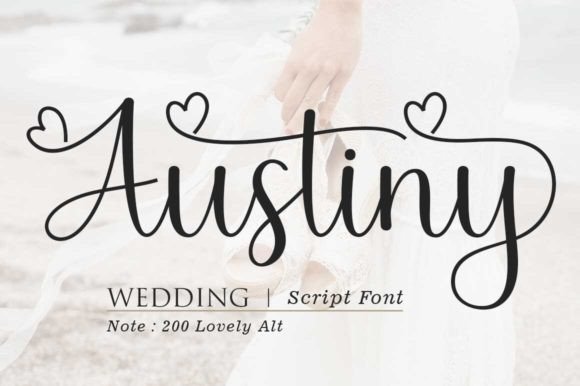
Austiny is not a rigid, formal calligraphy style. Instead, it features charming, playful characters that seem to have a life of their own. The strokes vary naturally, giving it a handwritten feel that is still clean enough for modern branding. When you place this font on a physical product, it immediately signals that care went into the details. It bridges the gap between professional polish and cozy, homemade warmth.
For makers, visual appeal is everything. Whether you are designing wedding invitations, boutique tags, or digital downloads, the right script can set the emotional tone before a customer even reads the words. Austiny adds a layer of sophistication while remaining approachable. It works beautifully for short phrases, names, titles, and decorative wording. However, because of its distinct character and slight flourish, it is best reserved for display use rather than long paragraphs of body text.
Real-World Applications for Makers
One of the most satisfying parts of being a creator is seeing your designs come to life. Here is how I have integrated Austiny into various handmade projects and shop assets:
- Candle and Soap Labels: I used Austiny for the main product name on my lavender honey soap bars. Paired with a small, clean sans serif font for the ingredients list, the contrast made the label look high-end yet artisanal. The playful nature of the script matched the natural, soothing vibe of the product perfectly.
- Greeting Cards and Invitations: For a friend’s baby shower, I designed a series of thank-you cards using Austiny for the "Thank You" header. The bouncing baseline added a sense of celebration and excitement. It felt much more personal than a standard printed font would have.
- Sticker Sheets and Decals: When cutting vinyl stickers for my Cricut machine, Austiny held up beautifully. The curves didn’t get lost in the weeding process, and the finished decals looked crisp on water bottles and laptop lids. It’s an excellent choice for small-scale decorative elements.
- Wedding Stationery: I tested Austiny on a welcome board mockup for a rustic-chic wedding. Combined with delicate floral line art, the font provided a romantic yet fun focal point. It worked well for the couple’s names and the event date.
- Seasonal Packaging Tags: During the holidays, I attached hang tags to gift boxes using Austiny for phrases like "Happy Holidays" and "With Love." The script’s festive energy made the gifts feel special and thoughtfully wrapped.
Typography Tips for Better Product Presentation
Using Austiny effectively requires a bit of strategy, especially when dealing with different mediums like printables, physical merchandise, and listing images. Here are some practical tips to ensure your designs look their best.
Pairing for Balance
Because Austiny has such strong personality, it pairs best with simpler typefaces. A clean sans serif font is often the ideal partner. Use Austiny for the headline or logo element, and switch to a straightforward sans serif for details like weight, dimensions, or instructions. This combination creates a hierarchy that guides the eye and ensures readability. Alternatively, a simple serif font can work well if you are aiming for a slightly more traditional or editorial look.
Readability on Small Formats
When designing for small stickers, product labels, or mug wraps, legibility is key. Austiny is great for larger sizes, but if you need to fit a lot of text into a small space, consider reducing the size carefully or simplifying the phrase. Test your design by printing a small sample first. If the letters start to blur together or lose their charm, scale up the design or choose a shorter message. For digital listings, make sure your mockups show the text clearly so potential buyers can appreciate the font’s details.
Consider File Formats and Licensing
Before you start selling products featuring Austiny, always check the included styles, alternates, ligatures, swashes, and weights. Some versions of the font may offer additional characters that enhance your design flexibility. Also, verify the file formats available (such as OTF, TTF, or WOFF) to ensure compatibility with your design software and cutting machines.
Most importantly, review the commercial font licensing terms. If you plan to sell physical products, templates, printables, SVG-style designs, or merchandise, you need a license that permits commercial use. Understanding these rights protects your business and respects the type designer’s work.
Enhancing Emotional Appeal and Brand Consistency
Consistent typography helps build customer recognition. When shoppers see Austiny on your social media graphics, email newsletters, and product packaging, they begin to associate that playful, charming style with your brand. This emotional connection can increase engagement and loyalty. People buy handmade goods not just for the utility, but for the story and the feeling behind them. Austiny helps tell that story with a smile.
Whether you are creating planner pages, printable wall art, tote bag designs, or farmhouse signs, let the font’s mood guide your color palette and imagery. Austiny pairs well with soft pastels, earthy tones, and vibrant accent colors. It invites creativity and encourages you to experiment with layout and composition.
Incorporating Austiny into your workflow has been a refreshing change for my shop. It reminds me that design doesn’t have to be serious to be effective. By choosing a creative font that reflects your unique voice, you create products that resonate with customers on a deeper level. So, next time you are preparing a new collection, give Austiny a try. Watch how it makes your ideas stand out, and enjoy the process of bringing your creative vision to life.